European cars have a reputation for great handling, strong brakes, and refined interiors, but under the skin, they are built differently than many domestic and Asian models. That does not mean every oil change has to be a big event, but it does mean you want the right knowledge, tools, and parts behind anyone who works on them.
Knowing where specialization really matters helps you decide when a general shop is fine and when a European-focused technician is the better choice.
What Makes European Vehicles Different Under the Hood
Most modern vehicles share the same basic systems, yet European manufacturers often tune and package those systems in their own way. You will see more turbocharged engines, higher compression ratios, and tighter engine bays that pack a lot of hardware into a small space. Service procedures can be more exacting, with very specific torque specs and steps for something as simple as replacing a belt or filter.
These cars also rely heavily on precise fuel and ignition control. Direct injection, variable valve timing, and advanced emissions systems are common. That is part of why they drive so well, but it also means maintenance intervals and fluid specs are not suggestions. When we service European vehicles, we pay careful attention to factory procedures, because cutting corners usually shows up later as drivability issues or premature wear.
Electronics, Modules, and Software Updates
European vehicles are packed with control modules that talk to each other constantly. A simple repair like a battery replacement may require coding or registration so the charging system knows a new unit has been installed. Components such as electronic parking brakes, steering angle sensors, or adaptive suspension often need calibration after work is done.
A shop that services these cars regularly will usually have:
- Factory-level or high-quality scan tools that can access all modules
- The ability to perform coding, adaptations, and software updates
- Experience working through European-specific fault trees and test plans
- Access to wiring diagrams and technical service information tailored to these brands
Without that level of support, you can end up with lingering warning lights, partial fixes, or repairs that do not fully restore the car’s original behavior.
Fluids, Parts, and Service Procedures Are Not Generic
One of the easiest ways to shorten the life of a European vehicle is to treat fluids and parts as universal. Many engines require specific oil approvals, not just a viscosity weight that looks close. Gearboxes, differentials, and transfer cases often use specialized fluids that protect sensitive clutches and bearings. Using a generic fluid that “should work” can cause noise, harsh shifts, or accelerated wear.
Parts quality matters just as much. Cheap sensors, coils, or suspension components may bolt up correctly but fail early or cause intermittent faults. When we choose parts for European vehicles, we lean toward original equipment or high-quality equivalents that match the design. It usually costs less in the long run than replacing the same cheap part two or three times.
Where Specialized Training and Tools Really Matter
There are certain jobs where having a European-focused technician makes a clear difference. Some common examples include:
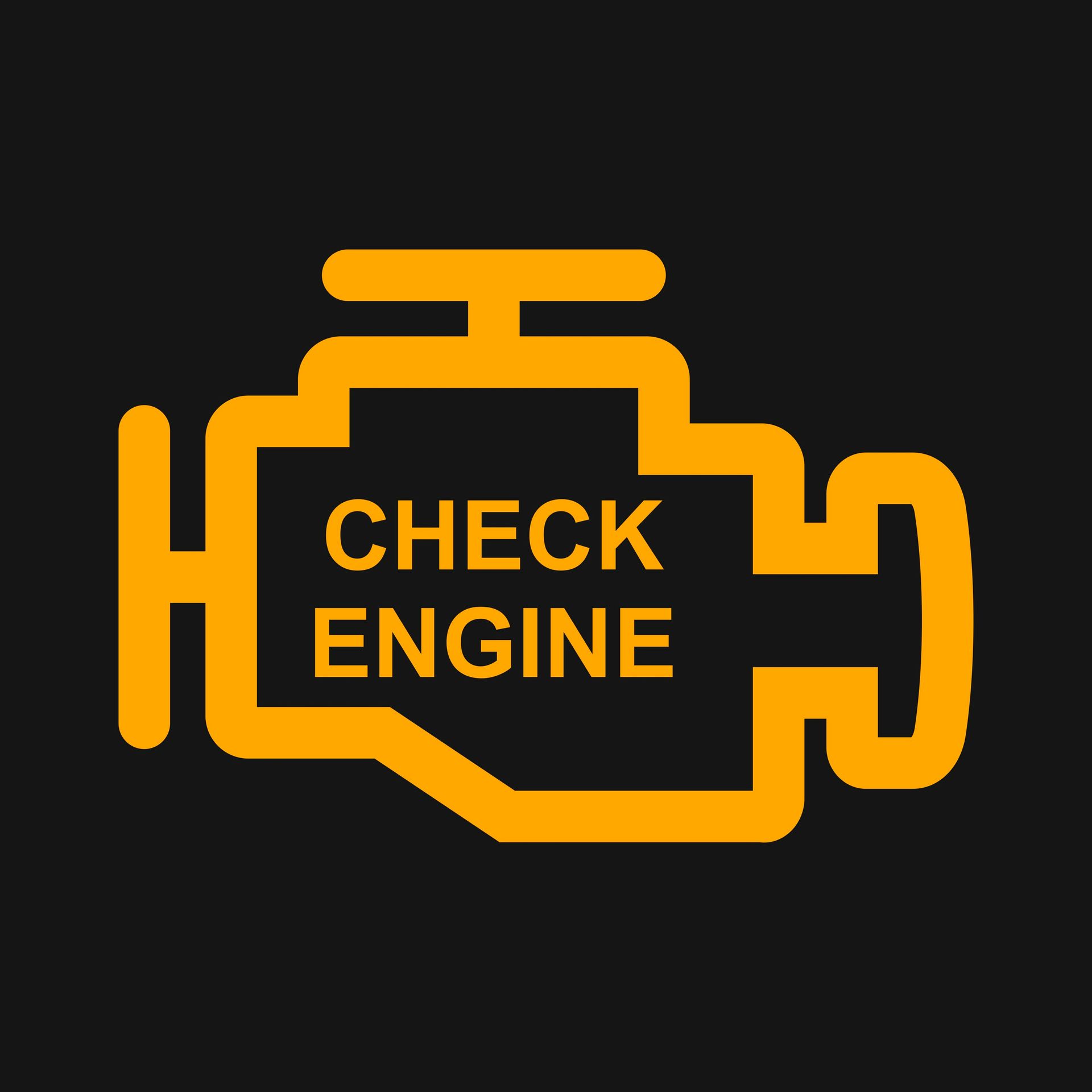
- Diagnosing complex check engine lights that involve multiple modules
- Tracking down electrical faults in comfort, infotainment, or lighting systems
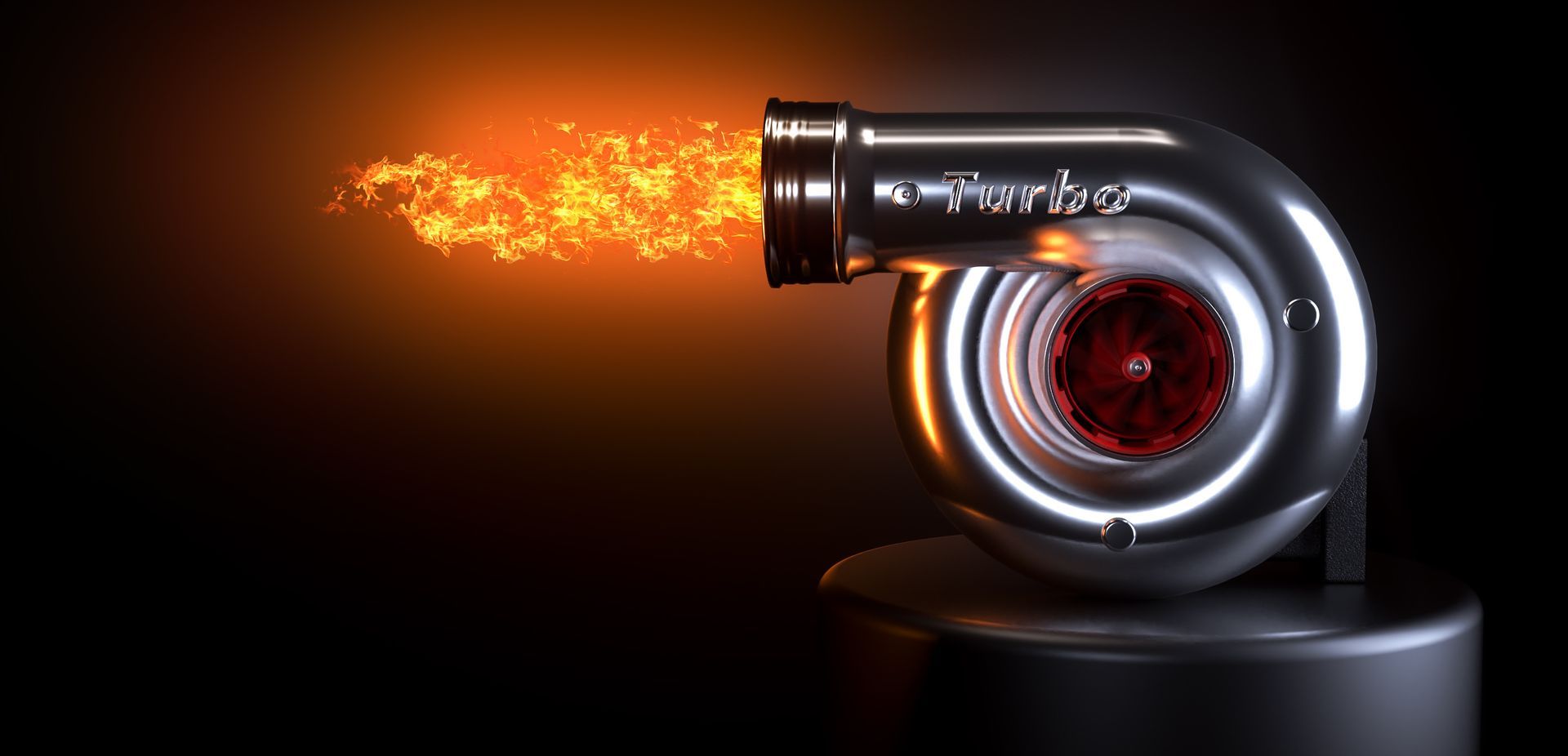
- Repairing turbocharger and high-pressure fuel issues on direct injection engines
- Servicing DSG, dual clutch, or advanced automatic transmissions
- Handling ABS, stability control, and adaptive suspension faults
These repairs often require specific test equipment, guided diagnostics, and an understanding of how that particular platform behaves when something goes wrong. A technician who works with these systems every day will usually find the root cause faster and with less guesswork.
What You Can Still Do at Any Good Shop
Specialized care does not mean every routine task has to be done at a European-only facility. Many basic services are well within the capabilities of a solid general shop, such as:
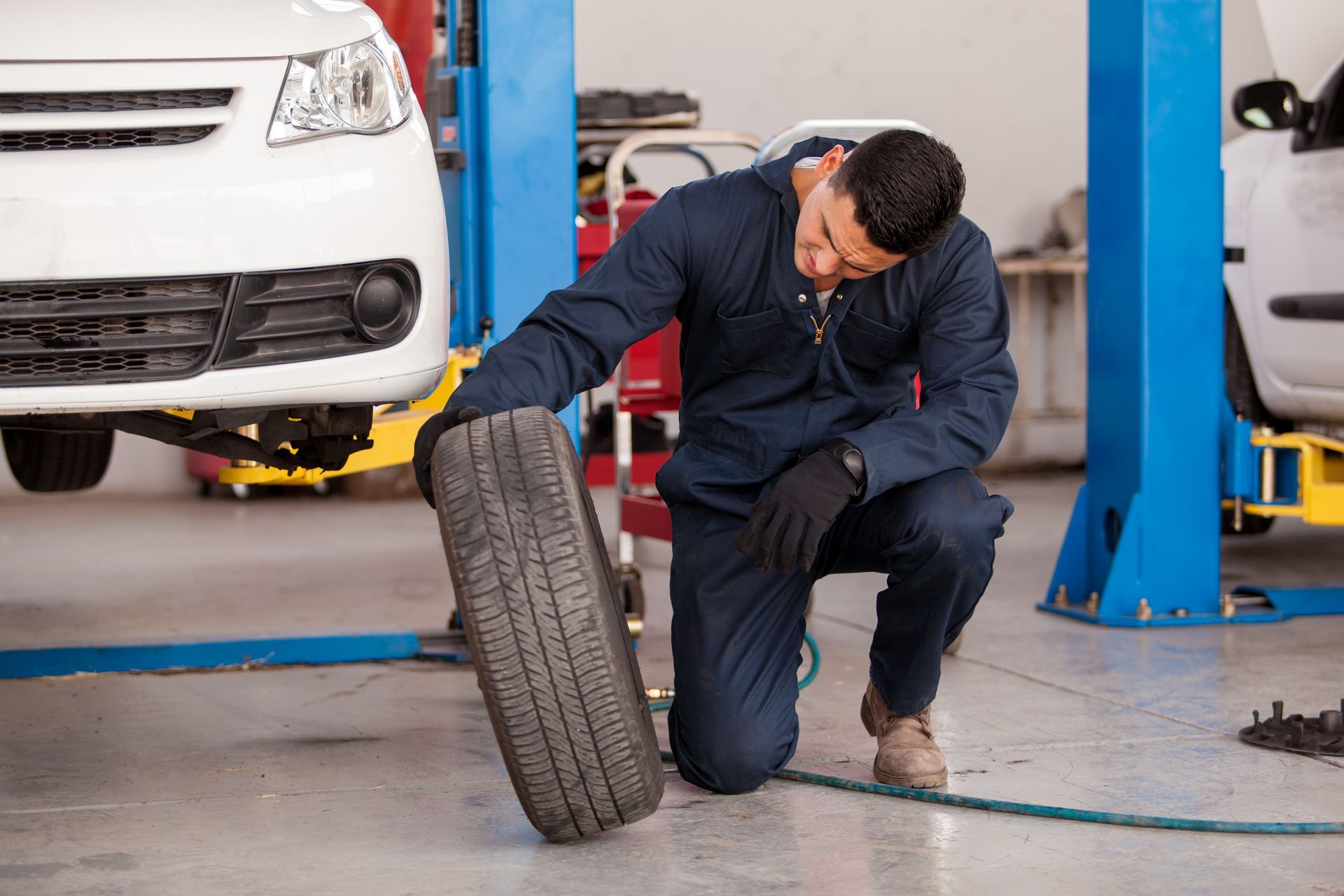
- Tire rotation, replacement, and wheel alignments
- Brake pad and rotor service when the correct parts and procedures are used
- Basic oil and filter changes with the right factory-approved fluids
- Simple suspension work like sway bar links or basic shock replacement
- Battery testing and charging system checks, as long as coding needs are understood
The key is making sure whoever does the work respects the manufacturer’s fluid and torque specs and understands when additional steps, like parking brake service functions or battery registration, are required.
Warning Signs Your European Car Needs a Specialist
Sometimes the car will tell you it is time to see someone who lives in the European world full-time. Good clues include repeated warning lights that keep returning after quick clears, multiple modules showing faults, or repairs that seem to chase the same problem without fully fixing it.
If you notice that new noises, rough shifts, or drivability changes appear after work is done, or if you have been told “they all do that” when the car clearly did not behave that way before, it may be wise to have a specialist take a fresh look. We often see vehicles in that situation and find that one missed step or an incorrect part set off a chain of small issues.
Get European Vehicle Service in Vancouver, WA with Accurate Motorwerks
We focus on European vehicles every day and understand the fluid specs, electronics, and service procedures that keep them performing like they should. We can handle everything from routine maintenance to complex diagnostics with the right tools, information, and parts for your specific model.
Call
Accurate Motorwerks in Vancouver, WA to schedule European vehicle service and keep your car driving the way its engineers intended.