Buying a used BMW can be a great move when the car looks clean and the test drive feels solid. The catch is that many expensive issues do not show up in a quick loop around the block. Some problems hide behind warning lights that were recently cleared, or they only show up when the car is fully warm and under load.
If you want to buy with confidence, the goal is to catch the big red flags before you sign.
Service History And Ownership Patterns
Start with records. Consistent service history matters more than a low odometer number, especially on a BMW. Look for regular oil service, coolant service, and documentation of any major repairs. A stack of recent receipts right before the sale can be good, but it can also be a sign the seller is trying to address symptoms quickly.
It is very important how the car was used. A car that was maintained but driven mostly on short trips may have more buildup and heat cycling than one that saw steady highway miles. You are not trying to judge the previous owner, but to predict what the car will need next.
Oil Leaks And Fluid Clues Under The Hood
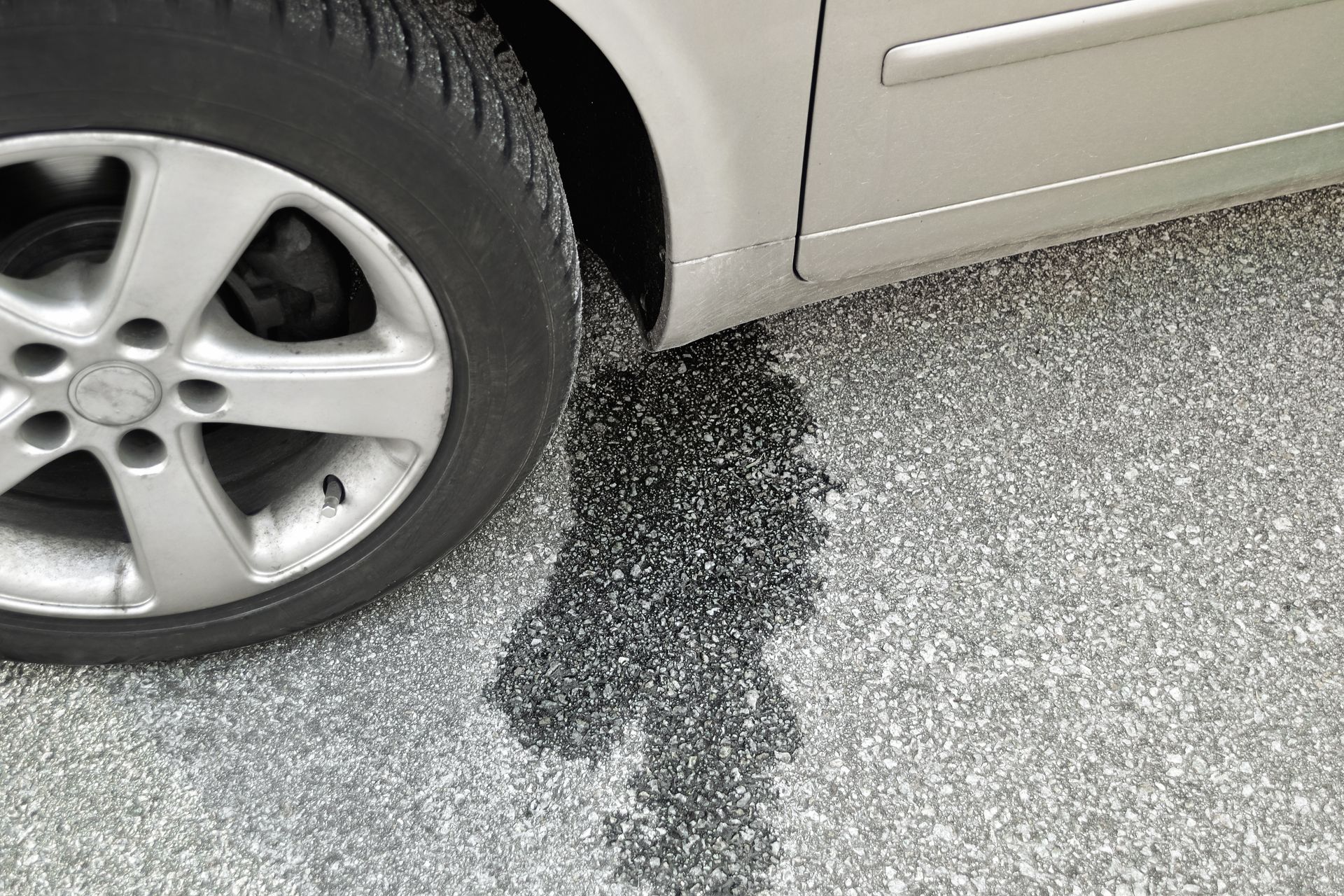
Oil leaks are common enough that you should assume there is at least some seepage unless you confirm otherwise. Look for fresh wetness around the valve cover area, the oil filter housing area, and the front of the engine. If the underside is heavily coated, it can mask the true source and leave you chasing leaks after you buy.
Check coolant level and look for crusty residue around hoses and plastic fittings. Many cooling system leaks start small and only show up under pressure. If the reservoir is low, or it looks suspiciously full, that is worth asking about. Also check for any burnt oil smell after the test drive, since oil on hot surfaces can create odor and smoke.
Cooling System And Temperature Behavior
BMW cooling systems work well when healthy, but they do not tolerate neglect. During the drive, watch for a stable temperature behavior, not just that it did not overheat in ten minutes. The temperature should rise to its normal spot and stay there without creeping in traffic or at idle.
After the drive, let it idle for a minute and see if anything changes. If you notice the heater output shifting from hot to cool, or you smell coolant, that can point to low coolant or circulation issues. A cooling system inspection is one of the highest value checks because overheating is where costs spike.
Transmission And Drivetrain Feel
Pay attention to how the transmission engages when you shift into Drive and Reverse. It should engage cleanly without a long delay or a hard bang. During the test drive, gear changes should feel consistent, not like the car is hunting or unsure.
Also listen for drivetrain noises. A dull clunk during takeoff can be mounts or driveline slack, and a vibration under acceleration can point to driveline or wheel issues. If the car shudders at a steady speed, it may be a drivetrain issue, or it may be the tires. The point is to notice the pattern so it can be checked properly.
Suspension, Steering, And Brake Wear
Most BMWs have a tight steering feel when everything is healthy. If the steering feels vague, if the car wanders, or if you hear clunks over bumps, expect suspension wear. Check the tires closely, since uneven wear on the inside edge is a common clue of alignment drift or worn components.
Braking should be smooth and straight. If you feel pulsation in the pedal or vibration in the steering wheel during braking, rotor issues may be present. If the car pulls during braking, that can point to brake drag or suspension misalignment. These are not deal-breakers, but they should be priced into the purchase.
Electronics And Warning Lights
BMW electronics are usually reliable, but they are sensitive to low voltage and poor connections. Make sure all dash warnings are addressed honestly. If possible, scan the car for codes even if the light is off. Some codes can be stored without an active warning, and that stored data can reveal patterns.
Also check comfort and convenience features. Windows, locks, seat controls, infotainment, and climate control should behave consistently. Intermittent glitches can be a sign of a weak battery or deeper electrical issues. It is better to find them before the purchase than after.
The Pre-Purchase Checks That Matter Most
A pre-purchase inspection is where you move from guessing to knowing. It includes checking the vehicle on a lift, looking for leaks and wear, and verifying the condition in areas you cannot see in a driveway. It also confirms whether the car is safe and whether it is likely to need big repairs soon.
Here are a few checks that are especially helpful for used BMWs:
- Scan for stored and pending codes
- Inspect for oil and coolant leaks, especially around common sealing points
- Check suspension and steering joints for play
- Look for uneven tire wear patterns and wheel damage
- Verify cooling system condition and pressure behavior
Even if the car looks great, these checks provide leverage. If issues are found, you can negotiate, budget properly, or walk away with no regrets.
Get a Used BMW Pre-Purchase Inspection In Vancouver, WA, With Accurate Motorwerks
Accurate Motorwerks in Vancouver, WA, can perform a thorough pre-purchase inspection, check for leaks and common wear points, and help you understand what the car will likely need next. We will explain what is urgent, what is normal, and what should be planned so you can make a confident decision.
Book a visit before you buy and avoid expensive surprises later.