Electric vehicles do not use engine oil, but many still contain lubricated gears, bearings, and differentials. These components are commonly housed in a drive unit, electric transaxle, or reduction gearbox that transfers power from the electric motor to the wheels.
Not every EV requires routine reduction-gear oil replacement. Some manufacturers specify a mileage or time interval, while others recommend checking for leaks and servicing the fluid only under certain conditions. The correct answer depends on the vehicle’s drive-unit design, fluid specification, operating conditions, and manufacturer instructions.
What A Reduction Gear Does
Electric motors can spin at very high speeds. The wheels cannot rotate at the same speed, so the vehicle uses reduction gearing to lower rotational speed and increase usable torque at the axles.
Most EVs use a single-speed reduction gearbox rather than a conventional multi-speed automatic transmission. The gearbox may share a housing with the motor and differential, creating an integrated electric drive unit.
Inside the assembly, lubricant protects:
- Reduction gears
- Differential gears
- Shaft bearings
- Gear teeth
- Seals
- Bushings
- Other rotating components
The fluid reduces friction, carries away heat, limits wear, and helps prevent corrosion. It may resemble transmission fluid or gear oil, but the exact chemistry can be highly specialized for electric-drive operation.
Why EV Gear Oil Is Different
An EV drive unit places different demands on lubricant than a conventional axle or automatic transmission. Electric motors can deliver high torque immediately, placing substantial load on gear teeth and bearings from the moment the accelerator is pressed.
Some drive units also expose the fluid to electric motor components. In these systems, the lubricant may need specific electrical properties so it does not interfere with motor insulation or current control. It must also protect copper-containing parts, resist foaming, manage heat, and remain stable at high motor speeds.
Using a general-purpose gear oil based only on viscosity can damage seals, affect lubrication, increase drag, or interfere with the drive unit’s intended operation. The replacement fluid must meet the exact specification required for that EV.
Why Some Manufacturers Do Not List Routine Replacement
Some EV manufacturers design the drive-unit fluid to remain in service for an extended period without a scheduled change under normal operating conditions. The unit may be sealed, use a relatively small amount of fluid, and operate without the combustion contamination found in engine oil.
Reduction-gear lubricant is not exposed to fuel dilution, soot, or combustion gases. That allows it to remain stable longer than engine oil in many applications.
Long service does not mean the fluid is indestructible. Heat, gear contact, bearing wear, seal deterioration, and moisture can still affect it. A manufacturer may choose condition-based service rather than a fixed interval because the fluid’s life depends heavily on drive-unit design and vehicle use.
Why Other EVs Have A Defined Service Interval
Some manufacturers specify periodic fluid replacement for the reduction gearbox, electric transaxle, differential, or final-drive assembly. The interval may be based on mileage, time, or demanding operating conditions.
Regular service can remove fine wear particles and restore additives that protect gears, bearings, and seals. Vehicles used for towing, repeated mountain driving, commercial service, or sustained high-speed operation may place greater heat and load on the drive unit.
An EV may also contain more than one lubricated assembly. All-wheel-drive models often use separate front and rear drive units, each with its own fluid capacity, drain and fill points, or service procedure.
Signs Reduction-Gear Fluid Needs Attention
Drive-unit fluid problems may develop from leakage, incorrect level, contamination, or internal wear. Because EVs are quiet, new mechanical sounds can be easier to notice than they would be in a gasoline-powered vehicle.
Warning signs include:
- Whining that changes with road speed
- Grinding or rumbling
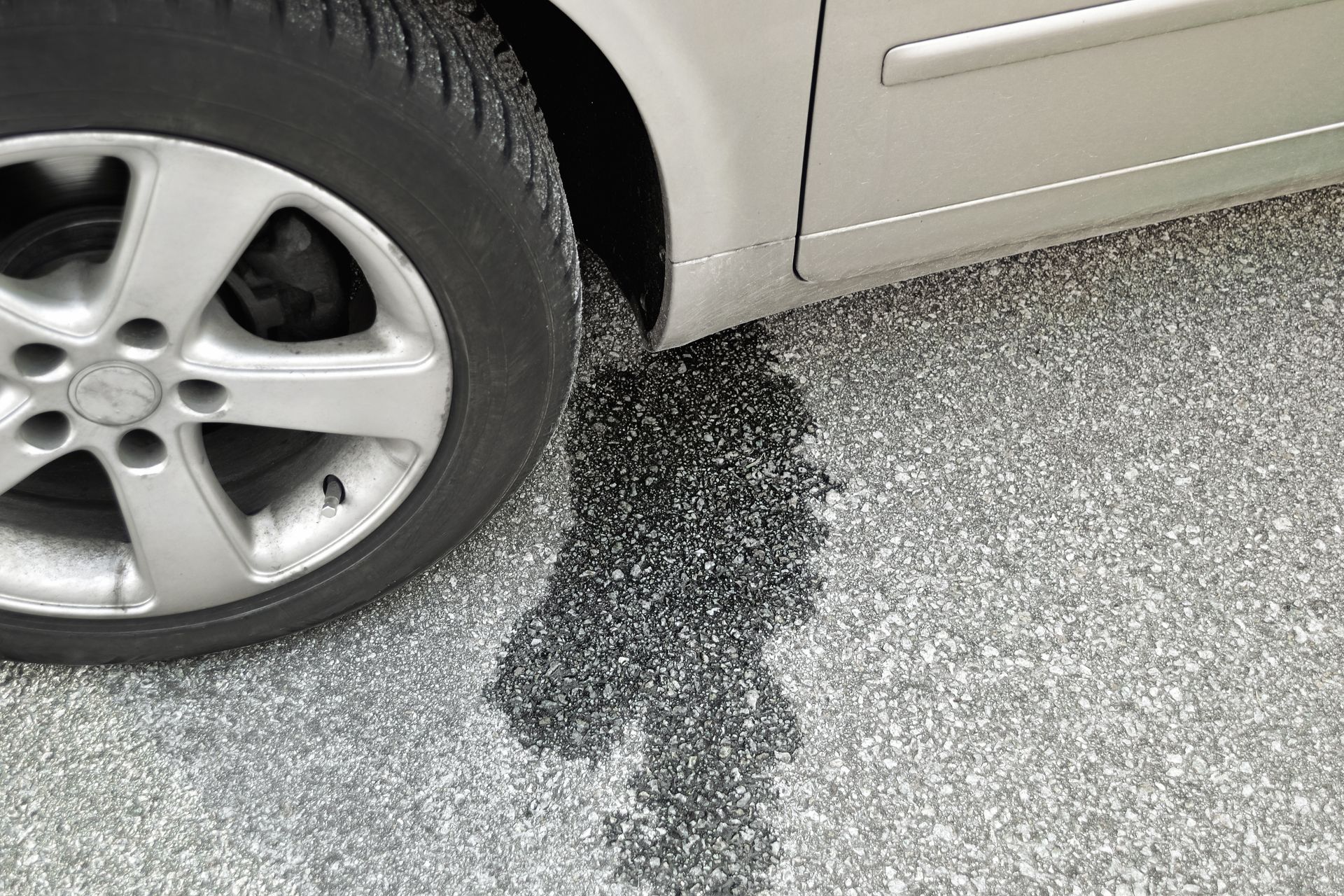
- Fluid spots beneath a drive unit
- A burning or unusual odor
- Vibration during acceleration or deceleration
- Reduced power warnings
- Excessive drive-unit temperature
- Metal debris found during service
Noise does not automatically mean the lubricant needs replacement. Wheel bearings, tires, CV axles, motor bearings, differential parts, and internal gears can create similar sounds. Professional testing should identify the source before fluid service or drive-unit repair is recommended.
Leaks Still Require Prompt Attention
A sealed drive unit should not require repeated topping off. Fluid can escape through axle seals, housing joints, drain plugs, fill plugs, vent areas, or damaged covers.
Low fluid reduces lubrication and heat control. Bearings and gears may continue operating for a period while wear increases inside the housing. Waiting for a warning message can allow serious damage to develop because some vehicles do not directly measure the fluid level.
An inspection should include the drive-unit housing, axle connections, underbody panels, electrical connectors, and surrounding components. Fluid can collect on a shield and remain hidden instead of reaching the ground.
Why Fluid Level Procedures Must Be Followed Exactly
Reduction-gear fluid must be filled to the correct level. Too little fluid can starve gears and bearings, while too much may cause aeration, leakage, excessive drag, or pressure buildup.
Some EVs use a conventional fill opening that establishes the level. Others require a measured quantity, specified temperature, electronic pump operation, or a vehicle-specific bleeding process. Underbody covers and high-voltage components may also affect access.
Technicians must use the correct fluid, capacity, seals, torque specifications, and filling procedure. High-voltage safety precautions remain important even when the service itself involves only mechanical lubricant.
Check The Schedule For The Exact EV
The term electric vehicle covers many different drive-unit designs. One model may require no scheduled reduction-gear service, another may have a defined interval, and a third may call for fluid replacement only after certain repairs or demanding use.
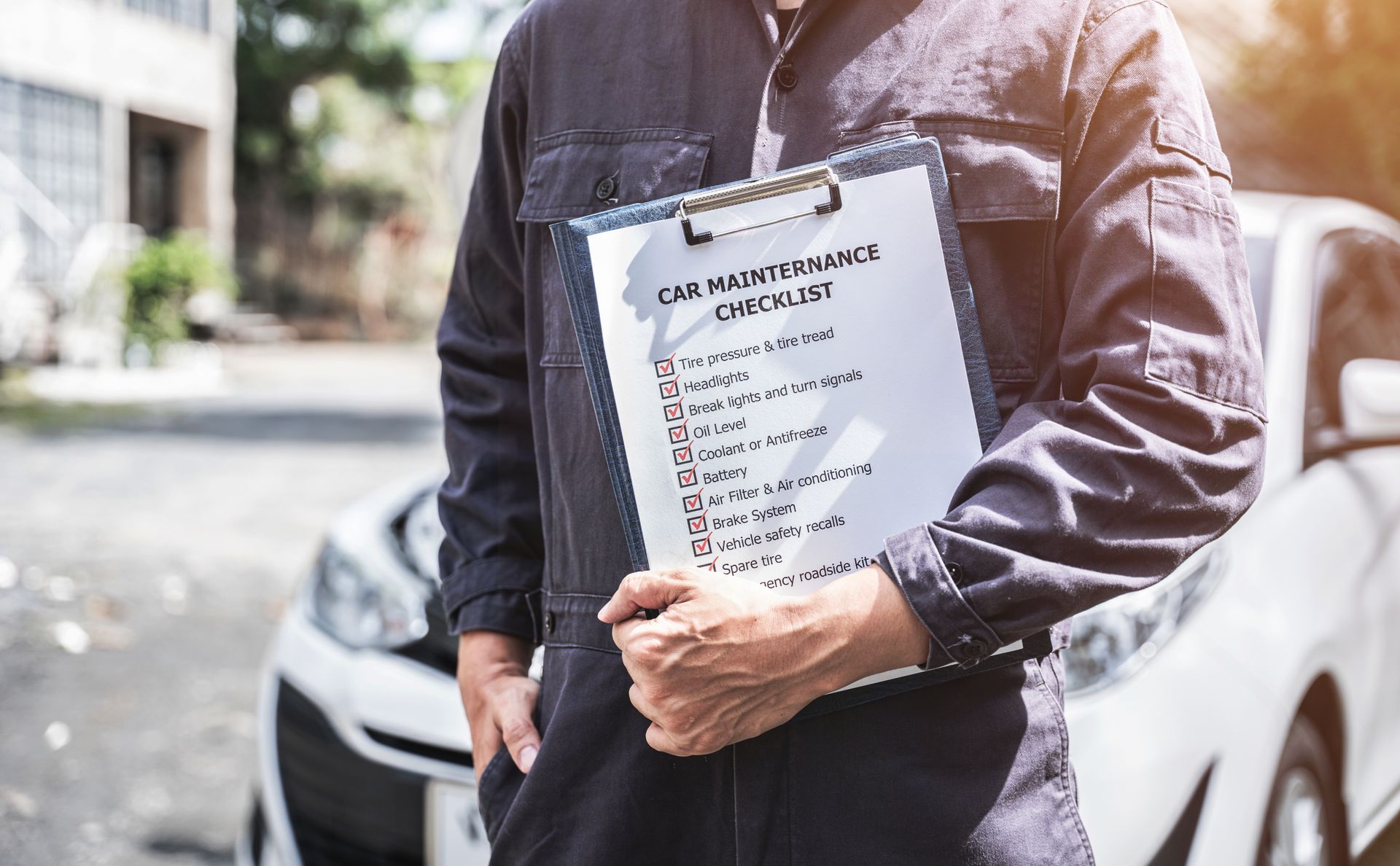
Regular maintenance should begin with the factory schedule for the exact model year and drivetrain. Service records should also show whether front and rear drive-unit fluids, if equipped, have received previous attention.
Get EV Reduction-Gear Oil Service In Vancouver, WA, With Accurate Motorwerks
Accurate Motorwerks in Vancouver, WA, can review your EV’s factory requirements, inspect the front and rear drive units, check for leaks, and confirm the correct reduction-gear fluid and procedure.