Your route is the same, yet the fuel gauge drops faster when colder mornings arrive. Is something wrong? Winter can reduce fuel economy even in a car that's working normally. Some everyday habits add to the difference, especially when the engine spends much of each trip warming up.
You can't change the weather, but you can cut unnecessary idling, plan trips, check tire pressure, and avoid leaving equipment on in the car. Make changes where they're practical. Clear windows, suitable traction, and safe driving come first, even when a fuel economy display encourages you to chase a better number.
Cold Temperatures Change Winter Fuel Economy
A cold engine and drivetrain operate differently than fully warmed components. Lubricants are thicker at lower temperatures, the engine takes time to reach normal operation, and tire pressure can fall as the air cools. Short trips make those effects more noticeable because warm operation represents less of the journey.
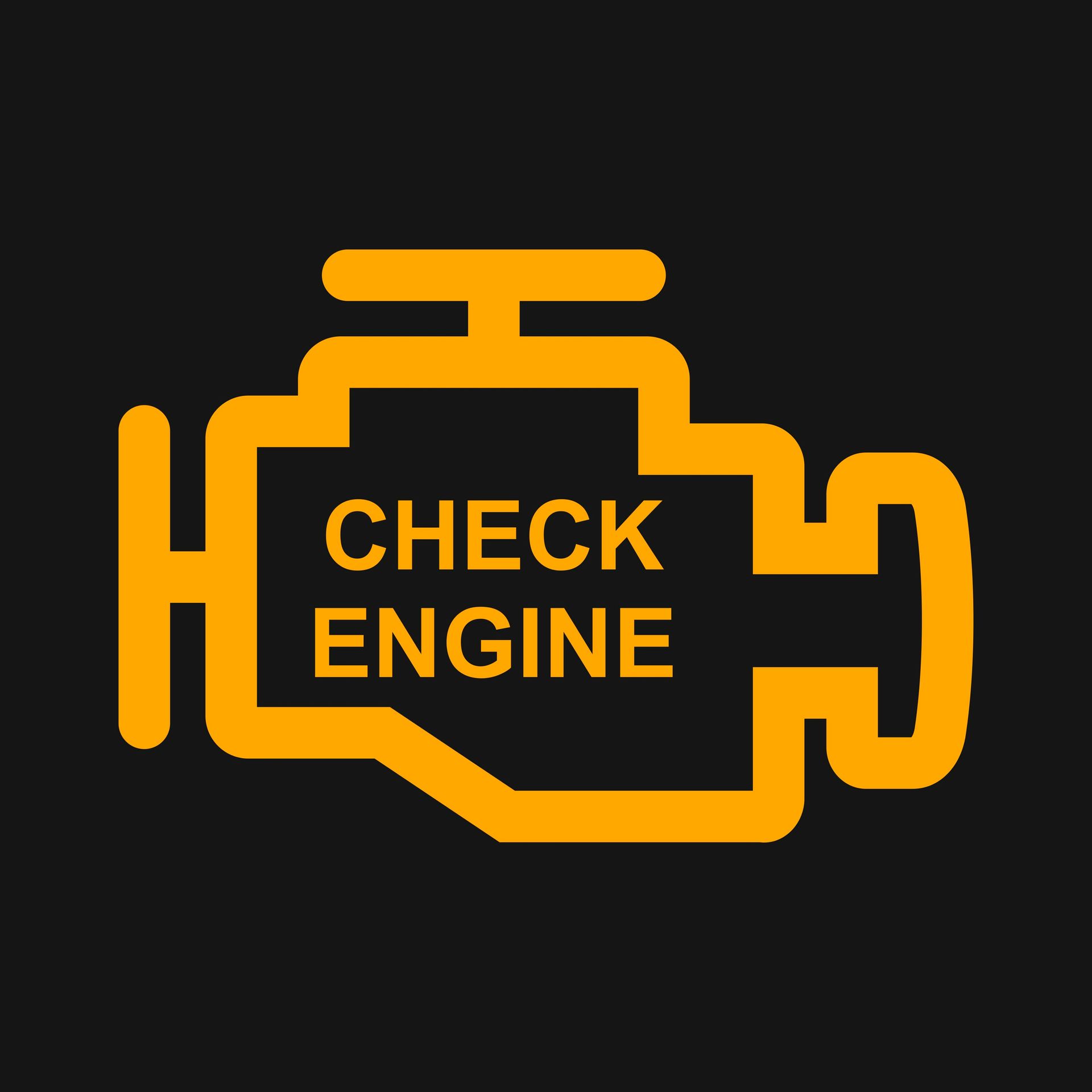
Defrosting and other electrical loads can also add demand. That doesn't mean you should drive with fogged windows or skip equipment needed for safety. A seasonal change is understandable, but a sudden major drop, rough running, or a new warning light still deserves inspection instead of being dismissed as ordinary winter behavior.
1. Long Warm-Ups Use Winter Fuel Without Adding Miles
Leaving a gasoline vehicle idling for an extended period uses fuel while the odometer barely moves. Modern vehicles generally don't need a long stationary warm-up before every trip. Follow the owner's manual and allow enough time to prepare for safe operation, including clearing ice and ensuring you can see properly.
Once the vehicle is ready, gentle driving usually brings it toward operating temperature more effectively than unnecessary extended idling. Avoid heavy acceleration while it's cold. Never warm up a vehicle in an enclosed garage, and don't shorten essential defrosting just to save fuel. The avoidable portion is the extra waiting after safe readiness.
2. Repeated Short Winter Trips Keep The Engine Cold
Driving to one nearby stop, returning home, and starting again later can keep the vehicle repeating its cold-start cycle. Each trip may end before the engine and fluids reach normal temperature. That pattern can produce worse fuel economy than covering a similar total distance with fewer separate starts.
Combine errands when your schedule allows and choose a practical route that avoids unnecessary backtracking. You don't need to drive extra distance solely to warm the vehicle. The real benefit is reducing repeated cold starts on trips you already need to make, while still following any maintenance guidance for frequent short-trip use.
3. Ignoring Tire Pressure Adds Winter Rolling Resistance
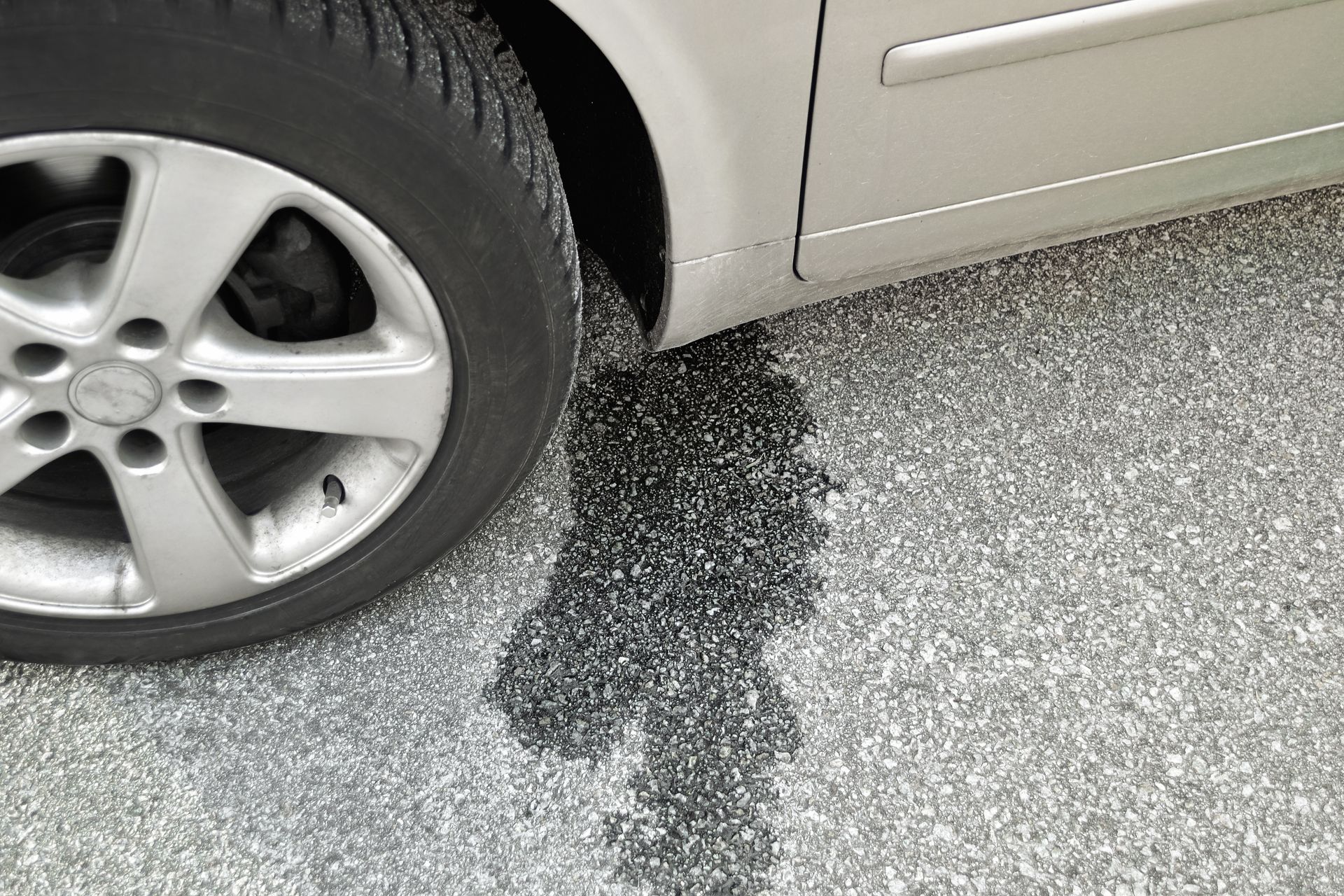
A temperature drop can reduce tire pressure even without a puncture. If you ignore that change, underinflation can increase rolling resistance and affect handling. Check pressures with the tires cold and use the vehicle's specified values rather than the maximum printed on the sidewall.
A TPMS warning is a reason to check the actual pressures, not assume every tire only needs the same amount of air. One tire losing pressure more quickly may have a leak. Don't deliberately overinflate for fuel economy or lower pressure as a general winter traction trick; the correct setting supports the intended tire performance.
4. Abrupt Winter Acceleration And Braking Waste Energy
Repeated hard acceleration followed by sudden braking uses energy to build speed and then quickly discards it. Congestion makes the pattern tempting, but it doesn't necessarily get you to the destination sooner. Smooth inputs and looking ahead can reduce unnecessary speed changes when road and traffic conditions allow.
Winter conditions also demand more room and careful speed choices. Keep an appropriate following distance rather than trying to coast close behind another vehicle. In hybrids, gentle braking may help recover energy when conditions allow, but available regeneration can vary. Use the brakes whenever safety requires them instead of chasing an efficiency target.
5. Unused Winter Cargo And Roof Equipment Add Fuel Demand
Extra weight requires more energy to move, and roof carriers can increase aerodynamic drag. Equipment left on the vehicle after its useful trip can continue affecting fuel consumption through the rest of the week. A roof box used for a weekend outing may not need to stay installed for every commute.
Remove unnecessary cargo and unused carriers when practical, following the equipment instructions. Keep emergency supplies and gear you need for the season. Heavy ballast isn't a universal traction solution, especially when you consider vehicle loading limits and drivetrain differences. Choose suitable tires and safe driving habits rather than adding weight without a vehicle-specific reason.
Winter Fuel Economy Checks Help Separate Habits From Faults
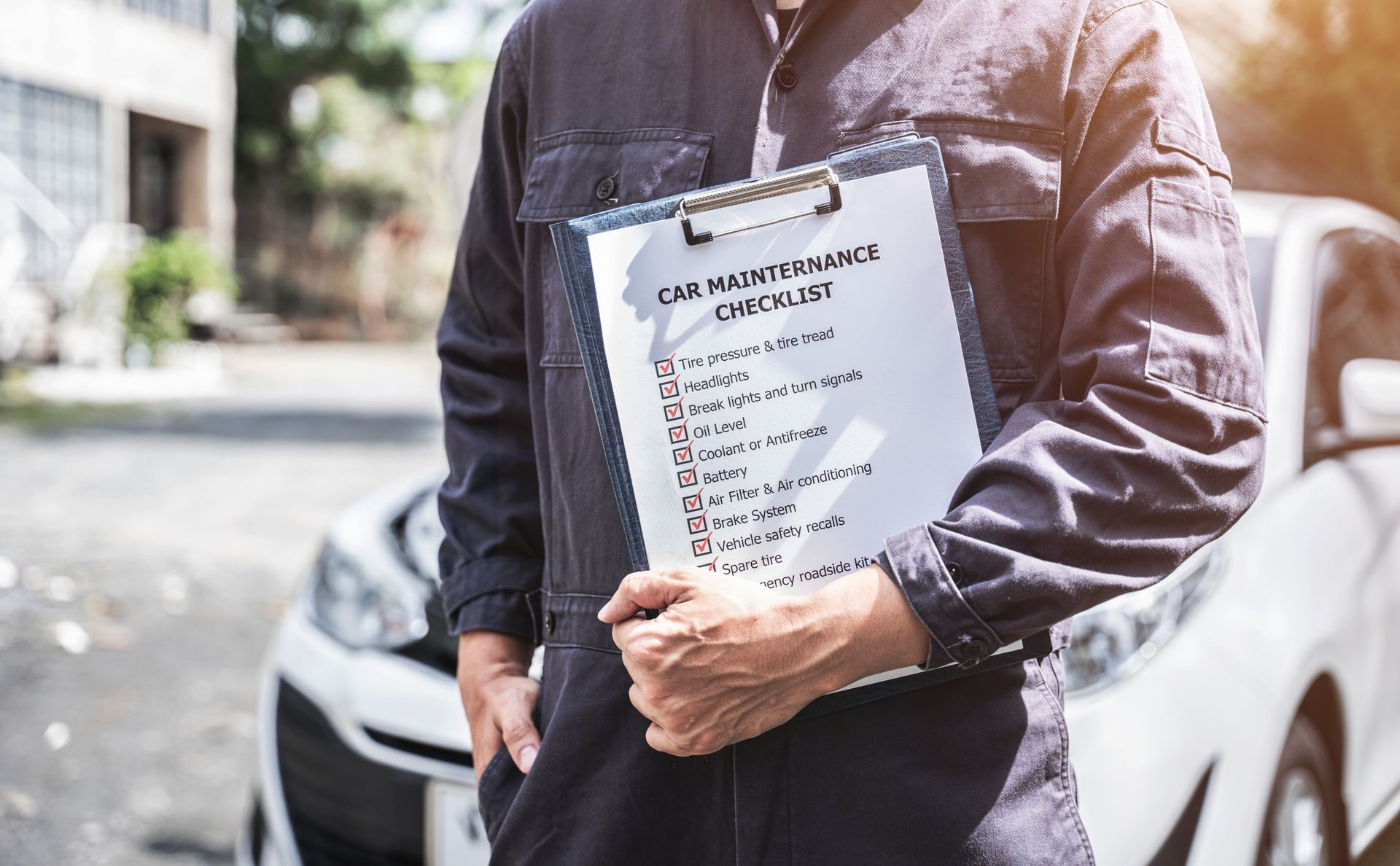
Track consumption over several comparable fill-ups rather than judging one cold morning. Note weather, route, idling, and any changes in the car's operation. If fuel use has increased far beyond its usual seasonal pattern, a thermostat issue, brake drag, fuel-control problem, or other fault may need checking.
Bring these details to the shop:
- Your usual trip lengths.
- Time spent warming up or idling.
- Recent cold tire pressure readings.
- Changes in cargo or equipment carried on the vehicle.
- Warning lights, rough running, or unusual engine temperature behavior.
Those details help separate a change in winter driving habits from a vehicle fault that needs attention.
Get Winter Fuel Economy Checks In Vancouver, WA
Accurate Motorwerks in Vancouver, WA, can inspect a change in winter fuel use alongside tire, engine, or braking concerns. Tell us how your routine and the vehicle's behavior have changed so we can explain what needs attention.
Contact us to schedule a cold-weather fuel economy and vehicle inspection.